
Cleaner Water Starts With Understanding Your Home’s Water
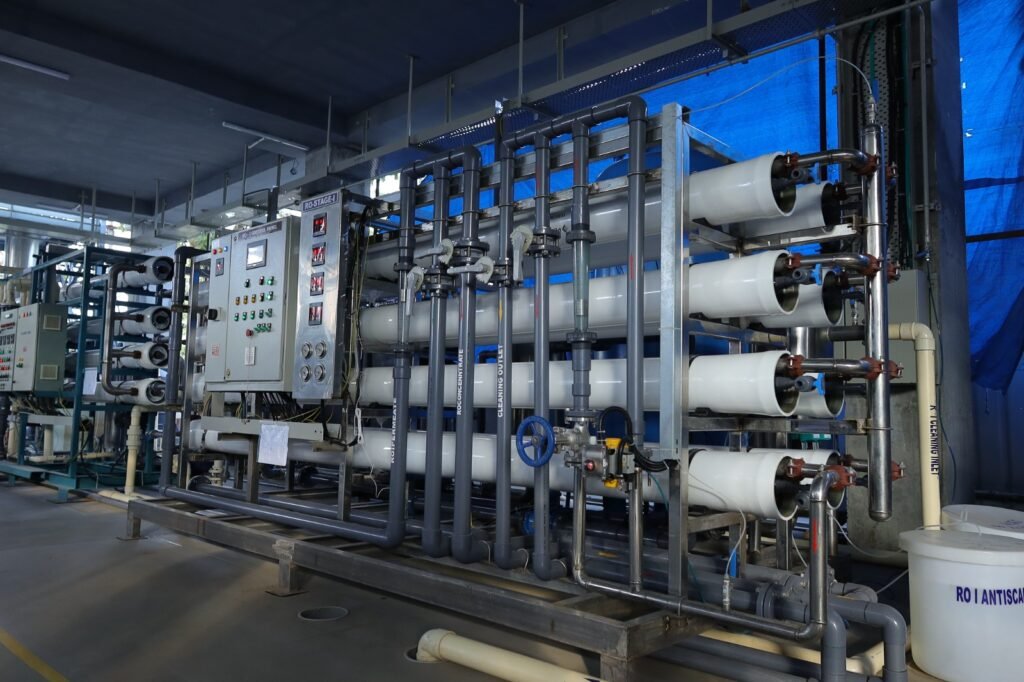
Water is one of those things most of us barely think about until something seems off. A strange taste in the morning, white spots around the faucet, an unpleasant smell from the shower, or water that simply doesn’t look right can make you wonder what’s actually coming through the pipes.
The truth is, water quality problems aren’t always obvious. Some contaminants have no noticeable smell, color, or taste. That’s why choosing the right treatment approach matters. A solution that works beautifully for one household may be completely unnecessary—or not effective enough—for another.
Finding the Right Water Solution for a Cleaner, More Comfortable Home · A Practical Guide to Understanding Hard Water in Your Home · Why Fresh, Better-Tasting Water Starts at Home
Whether you get your water from a municipal supply or a private well, understanding your water first is the smartest place to start.
Start With a Water Test, Not a Guess
It’s tempting to buy a filtration system based on a neighbor’s recommendation or an online review. But water chemistry can vary dramatically, even between homes in the same area.
A basic water test can reveal important information about hardness, pH, iron, manganese, chlorine, nitrates, bacteria, and other potential concerns. For private wells, testing is particularly important because groundwater conditions can change with seasons, rainfall, nearby agricultural activity, or changes in the well itself.
Understanding Common Well Water Problems: Iron, Sulfur, and Sediment · The Renovation Budget Line I Almost Cut, and Regret Not Prioritizing Sooner
Once you know what’s actually in your water, the treatment decision becomes much less complicated. Instead of throwing several filters at the problem, you can choose equipment designed for the specific issue.
That saves money, space, and quite a bit of frustration.
When a Sink Filter Makes Sense
Not every home needs a whole-house treatment system. Sometimes the main concern is simply the quality of water used for drinking and cooking.
In that situation, reverse osmosis at the sink can be a practical option. Reverse osmosis uses a semipermeable membrane to reduce a wide range of dissolved substances from water. Depending on the system and its configuration, it may help reduce certain salts, heavy metals, fluoride, nitrates, and other dissolved contaminants.
The key word here is “depending.” No treatment technology removes everything, and performance varies by system, water chemistry, and maintenance.
A good under-sink RO system also usually includes several stages of filtration. Sediment and carbon filters may protect the membrane and improve taste before water reaches the final treatment stage.
For a family that wants highly treated drinking water without installing equipment throughout the house, this can be a sensible middle ground.
Don’t Ignore Hard Water
Hard water is common in many regions and usually contains elevated levels of calcium and magnesium. These minerals aren’t typically considered a health threat at normal concentrations, but they can be a real nuisance around the home.
You may notice cloudy glassware, soap that refuses to lather properly, stiff laundry, dry-feeling skin, or chalky deposits around taps and showerheads. Over time, scale can also accumulate inside water heaters, pipes, fixtures, and appliances.
A water softener is often used to address hardness. Unlike a reverse osmosis system, a softener is generally intended to treat water throughout the home rather than just drinking water at one faucet.
This distinction matters. Installing an RO system to solve a whole-house hardness problem is like using a coffee filter to clean a swimming pool. It’s the wrong tool for the job.
Why Well Water Needs Special Attention
Private wells offer independence, but they also put more responsibility on the homeowner. Unlike municipal water supplies, well water isn’t treated by a central utility before it reaches your property.
That makes well-water treatment less about buying a popular filter and more about understanding the source.
Well water can contain sediment, iron, manganese, hardness minerals, sulfur compounds, and microorganisms. Some wells may also be affected by nitrates or other contaminants depending on local geology and land use.
An unusual smell is another clue worth investigating. A rotten-egg odor, for example, may be associated with hydrogen sulfide, although several different issues can produce unpleasant odors.
Testing should guide the treatment strategy. Depending on the results, a home may need sediment filtration, iron removal, water softening, disinfection, carbon filtration, or a combination of technologies.
The Microbial Side of Water Quality
Not every water problem is about minerals. Microorganisms deserve attention too, especially in private wells and water sources vulnerable to contamination.
Bacteria and other microorganisms can enter groundwater through various pathways. Flooding, damaged well components, poor sanitation, or nearby sources of contamination can increase the risk.
This is where microbiological systems can become relevant. Treatment approaches such as ultraviolet disinfection are commonly used to control microorganisms in water without adding chemicals. However, UV systems work best when the water is properly pretreated because excessive sediment or cloudiness can interfere with disinfection.
Again, there’s no universal solution. If testing shows microbial contamination, the cause should be investigated rather than simply installing equipment and forgetting about it.
Whole-Home Treatment Versus Point-of-Use
One of the biggest decisions homeowners face is whether to treat water at one faucet or throughout the property.
Point-of-use systems focus on water consumed for drinking and cooking. They can be compact and relatively straightforward, making them attractive when the concern is limited to drinking water.
Whole-home systems, on the other hand, treat water before it travels through the household plumbing. This can be useful when the problem affects showers, laundry, appliances, and other fixtures—not just the kitchen faucet.
There’s also a practical benefit. If hard water is causing scale throughout the house, treating only the kitchen sink won’t protect the water heater or bathroom fixtures.
The best choice depends on what you’re trying to accomplish.
Maintenance Is Part of the Treatment
A water treatment system isn’t a “set it and forget it” appliance. Filters eventually become saturated. Membranes need replacement. UV lamps have service intervals. Softener systems require salt or other routine maintenance, depending on the design.
Ignoring maintenance can reduce performance and, in some cases, create new problems.
Keep a simple schedule for filter changes and inspections. If your system includes multiple treatment stages, know what each component does and when it needs attention. It’s surprisingly easy to forget when a filter was last replaced—especially when everything seems to be working normally.
Regular testing is also valuable, particularly for well owners. Water quality can change over time, so an old test shouldn’t be treated as a permanent guarantee.
Choosing the Right Approach
Good water treatment isn’t about having the most complicated equipment in the basement. It’s about matching the technology to the problem.
Start with testing. Identify whether you’re dealing with hardness, sediment, taste and odor issues, dissolved contaminants, microorganisms, or a combination of concerns. Then consider where treatment is actually needed.
Sometimes a simple carbon filter is enough. Other homes may benefit from a softener, reverse osmosis system, UV disinfection, or a more comprehensive treatment setup.
The goal isn’t to make water “more filtered” just for the sake of it. The goal is better water, sensible equipment, manageable maintenance, and confidence in what comes out of your taps.
After all, clean water should feel ordinary. When the treatment system is properly chosen and maintained, that quiet confidence is often the biggest benefit of all.
Related Resources
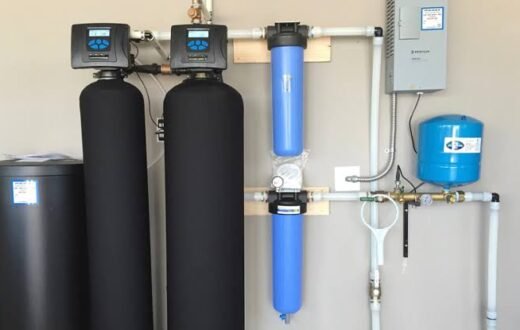
Finding the Right Water Solution for a Cleaner, More Comfortable Home
Water is one of those things we rarely think about when everything is working...
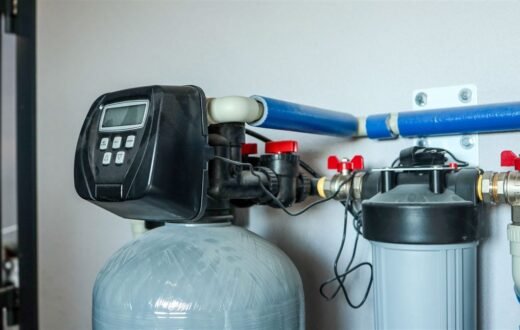
A Practical Guide to Understanding Hard Water in Your Home
Water usually doesn’t get much attention until it starts causing trouble. One day everything...
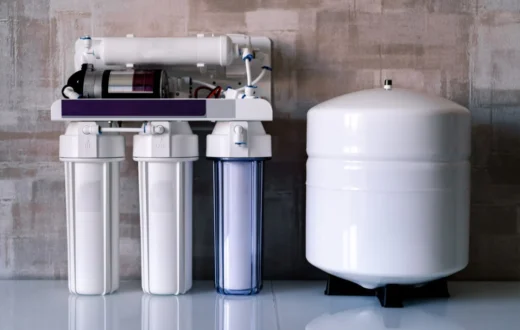
Why Fresh, Better-Tasting Water Starts at Home
There’s something oddly comforting about turning on the kitchen tap and trusting the water...