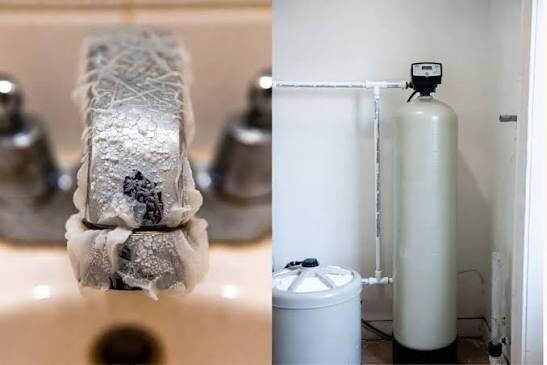
There’s a particular kind of frustration that comes with cleaning a bathroom, stepping back to admire the result, and then noticing white spots around the faucet the next morning. The shower glass looks cloudy again, soap doesn’t seem to lather properly, and the kettle has developed another layer of chalky residue. If this sounds familiar, hard water could be part of the problem.
Hard water is common in many households, and its effects often appear in small, everyday ways rather than as one dramatic issue. Fortunately, there are practical ways to manage it. Before choosing equipment, though, it helps to understand what makes water hard, how it affects your home, and whether a softening system is likely to make a noticeable difference.
What Makes Water Hard in the First Place?
Water picks up minerals as it travels through soil and rock. Calcium and magnesium are the main contributors to hardness, and their concentrations can vary significantly depending on the local water source.
These minerals aren’t generally considered harmful at the levels commonly found in household water, but they can create maintenance problems. Soap may react with calcium and magnesium to form residue, while mineral deposits can collect on surfaces where water evaporates. Over time, scale may also develop inside water heaters, pipes, and certain appliances.
The severity depends on the actual hardness level, how much water your household uses, and the condition of your plumbing. Some homes experience only occasional spots on glassware, while others deal with recurring buildup that makes cleaning feel like a weekly battle.
A water test is the best way to establish whether hardness is responsible. White deposits can be a clue, but they aren’t a reliable measurement. Testing gives you a clearer starting point before you invest in treatment equipment.
How Hard Water Affects Everyday Household Tasks
The first signs often show up in the bathroom or kitchen. Showerheads may become clogged with scale, faucets develop crusty deposits around their openings, and glassware comes out of the dishwasher with spots. Even freshly washed towels can feel stiff, although laundry detergent, fabric type, and washing conditions also influence that result.
These hard water problems can make ordinary chores take longer. You might use extra cleaning products, scrub fixtures more frequently, or replace an appliance component sooner than expected. The inconvenience can be particularly noticeable in areas where the incoming water has a high mineral content.
Water heaters deserve special attention. Scale can accumulate on heating surfaces and reduce heat transfer efficiency, depending on the appliance and the extent of the buildup. This doesn’t mean every hard-water household will experience major equipment damage, but persistent scaling is worth addressing.
It’s important to distinguish these practical concerns from health claims. Hardness alone doesn’t automatically make water unsafe to drink, and a softener isn’t a universal purifier. If you’re concerned about contaminants beyond calcium and magnesium, those concerns should be assessed separately.
What a Water Softener Actually Does
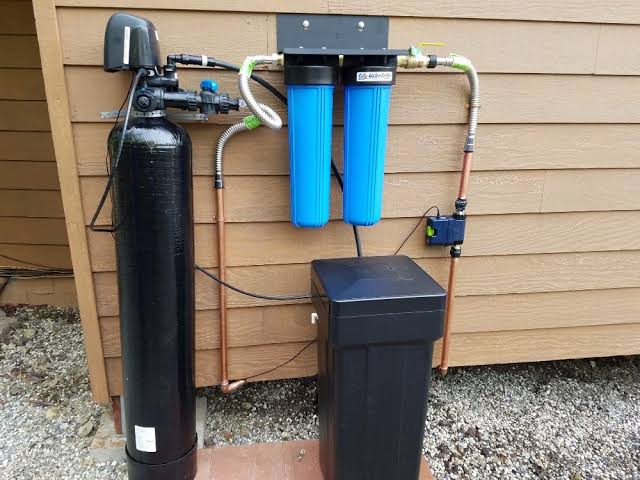
A conventional ion-exchange softener reduces hardness by passing water through a resin that exchanges calcium and magnesium ions for sodium or potassium ions. As the resin becomes saturated with hardness minerals, the system regenerates to restore its capacity.
For many households, the main attraction is the reduction in scale formation. Softer water may leave fewer mineral deposits on fixtures, help soap work more effectively, and make some cleaning tasks less frustrating. The results depend on the original water conditions and the system’s correct sizing and maintenance.
Modern water softeners come in different capacities and configurations. Some are designed for smaller households, while others can support larger properties with higher water demand. Choosing the right size involves considering the measured hardness, the number of people in the home, and typical daily consumption.
An oversized system may cost more than necessary, while an undersized unit may regenerate too frequently or struggle to keep up with demand. A water-treatment professional can help calculate the appropriate capacity using actual test results rather than guesswork.
Choosing Between Salt-Based and Alternative Systems
Traditional salt-based softeners use ion exchange to remove hardness minerals from the treated water. Salt-free conditioners work differently. Depending on the technology, they may help limit the formation or adhesion of scale, but they generally do not remove calcium and magnesium in the same way a conventional softener does.
That distinction matters when comparing products. If your goal is to reduce measured water hardness, confirm that the selected technology can achieve that result. If your main concern is scale on plumbing and appliances, a conditioning system may be worth discussing, but its performance should be evaluated according to the manufacturer’s evidence.
Before purchasing, ask what the system is designed to accomplish and what it cannot do. A product advertised as maintenance-free may still require inspections, cleaning, or replacement components. No technology should be treated as a solution for every water-quality issue.
Consider Maintenance and Long-Term Costs
A water softener is a long-term household investment, so the initial price tells only part of the story. Installation, salt, water used during regeneration, electricity where applicable, and periodic servicing can all contribute to the overall cost.
Maintenance is usually manageable once you understand the routine. Check the brine tank according to the manufacturer’s instructions, use the recommended salt, and watch for warning signs such as a return of scale or a noticeable change in water performance. Some systems also include controls that need occasional checks.
The equipment should be installed in an accessible location, with appropriate drainage and connections. Professional installation can help ensure that the unit is correctly sized and configured for your plumbing and household demand.
Is Softened Water Right for Drinking?
This is a reasonable question, particularly for people who are monitoring their sodium intake. Conventional softeners add sodium to the treated water as part of the ion-exchange process, and the amount depends partly on the original hardness. If sodium intake is a concern, discuss your options with a qualified healthcare professional and consider whether a separate drinking-water line or another treatment arrangement is appropriate.
Remember that softening does not remove every possible contaminant. If your water test identifies concerns involving bacteria, lead, nitrates, or other substances, you may need a different treatment method designed and verified for those specific concerns.
Make the Decision Based on Your Water
Before buying a system, arrange a suitable hardness test and consider how the problem affects your household. Compare equipment based on capacity, verified performance, installation requirements, and maintenance costs rather than choosing solely by brand or price.
Understanding hardness minerals is the first step toward making a sensible choice. Calcium and magnesium may be responsible for stubborn scale, but that doesn’t mean every home needs a softener. Sometimes a targeted filter or a change in cleaning habits is enough; in other cases, a properly sized softener can make a meaningful difference.
The goal is to choose a solution that fits your water conditions and everyday routine. With accurate testing, realistic expectations, and regular maintenance, you can spend less time fighting recurring deposits and more time enjoying a home that feels easier to care for.