Water is part of nearly every household routine. It starts the day in a cup of coffee, runs through the shower, helps clean vegetables for dinner, and takes care of countless small jobs we rarely notice. So when something about the water seems off, even a minor change can become hard to ignore. Maybe the bathroom fixtures develop a stubborn film, the kitchen tap has an unusual taste, or you find yourself buying bottled water more often than you’d like.
These concerns don’t always point to the same problem. Water can contain dissolved minerals, chlorine, sediment, or other substances that require different approaches. The trick is to understand what your home actually needs before spending money on equipment. A thoughtful decision can improve everyday convenience while avoiding the frustration of purchasing a system that doesn’t solve the problem.
Start With the Water You Already Have
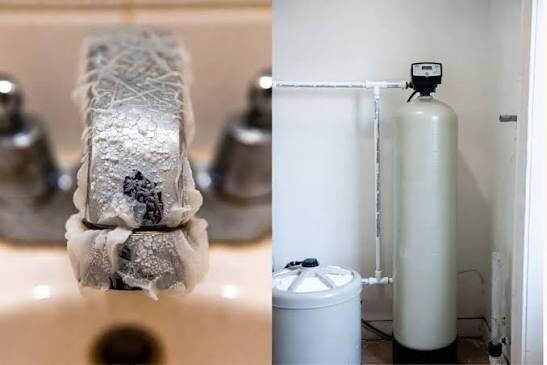
Before exploring equipment, pay attention to what you’re noticing. Hard water often leaves chalky deposits on faucets and shower doors. Chlorine may create a noticeable smell or taste, while suspended particles can make water appear discolored or cloudy. These clues can help you decide what to investigate, but they don’t provide a complete picture of water safety.
Understanding water quality begins with identifying your source. Municipal water is treated before it reaches homes, and your local supplier may publish a report describing its characteristics. Private well water is different because its composition can depend on local geology, nearby land use, and changes in groundwater conditions.
If a problem appears suddenly, contact your water supplier or a qualified professional rather than assuming a filter will fix it. A laboratory test may be appropriate when you use a private well or suspect a particular contaminant. Basic home tests can provide useful information about selected properties, such as hardness or pH, but they don’t detect everything.
This first step may seem less exciting than shopping for a new filtration system, yet it can prevent unnecessary expense. Once you know which issues matter, you can compare solutions with a clearer idea of what each one is meant to accomplish.
When a Filter for One Tap Isn’t Enough
Some households only want better-tasting drinking water. An under-sink filter or countertop unit may suit that need, particularly if the rest of the water supply is satisfactory. Other homes have concerns that affect several rooms, such as sediment entering the plumbing or chlorine taste and odor noticeable at multiple faucets.
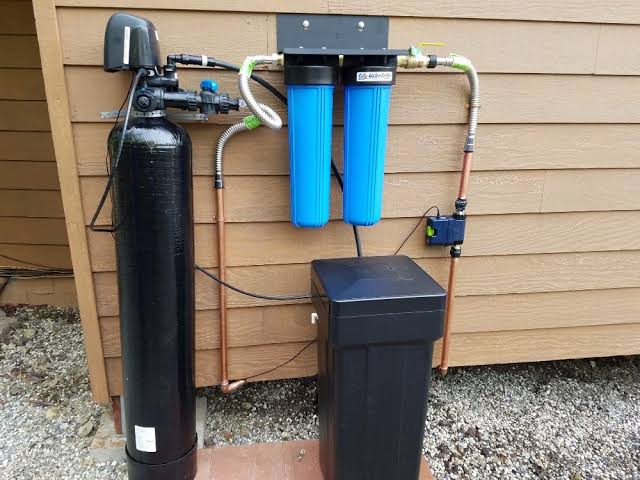
In those situations, whole-home filtration systems may be worth considering. These systems are generally installed where the main water line enters the house, allowing treated water to travel to showers, sinks, laundry equipment, and other outlets. The specific benefits depend on the filtration media and the contaminants the system is designed to reduce.
For example, a system using activated carbon may help reduce chlorine taste and odor when its performance is certified for that purpose. A sediment filter can capture suspended particles, while specialized media may target certain other substances. No single whole-home unit removes every possible contaminant, so matching the system to test results is essential.
Household size and water use also matter. A system must handle the flow needed when several taps or appliances run at once. If the unit is undersized, water pressure may suffer. Installation space, plumbing configuration, and access for future servicing should be considered before making a purchase.
A whole-home system isn’t automatically the best choice for everyone. If your only concern is the flavor of drinking water, a point-of-use filter could be simpler and less expensive. The useful question is not which system sounds most impressive, but which one addresses your actual needs.
Understanding the Main Filtration Options
Different treatment methods serve different purposes, and knowing the basics makes comparisons easier.
Activated carbon filters use a porous material to adsorb certain substances. They are commonly used to improve taste and odor, particularly where chlorine is noticeable. Their effectiveness depends on the filter design, contact time, and the specific substance being targeted.
Sediment filters physically capture suspended material such as sand, rust, and silt. They can help protect downstream equipment, but they generally don’t remove dissolved minerals or disinfect water. If sediment is persistent, it may also be necessary to investigate the source rather than simply changing cartridges more often.
Water softeners address hardness caused mainly by calcium and magnesium. Traditional salt-based units use ion exchange to reduce these minerals, helping limit scale buildup on fixtures and inside water-using appliances. They aren’t designed to remove every contaminant, and households should consider maintenance requirements and how softened water fits their needs.
Reverse osmosis systems can reduce many dissolved substances through a semipermeable membrane. They’re often used for drinking water and may be useful when testing identifies a concern the selected unit is certified to address. However, they require appropriate installation and maintenance, and some designs produce wastewater during treatment.
When comparing products, look beyond the number of filtration stages. Check independent certifications, replacement schedules, operating requirements, and the substances the manufacturer has demonstrated the system can reduce.
Budget for More Than the Initial Purchase
A water treatment system is an investment in everyday household use, but the purchase price tells only part of the story. Filters need replacement, softeners may need salt and servicing, and reverse osmosis membranes eventually require attention. Some equipment also involves professional installation or plumbing modifications.
Before you get pricing, ask what the quote includes. Does it cover installation, fittings, testing, and any necessary changes to existing plumbing? Are replacement cartridges readily available, and how much do they cost? Will the system need regular service visits, or can you complete routine maintenance yourself?
It’s sensible to compare more than one option, provided each is being assessed against the same water quality needs. A low-cost system that doesn’t treat the relevant issue may offer little value. On the other hand, a more elaborate unit can be unnecessary if a basic filter would do the job.
Ask for a clear explanation of any performance claims. Be cautious of pressure to buy immediately, especially if a salesperson makes alarming claims without testing the water or explaining the evidence. Reliable advice should help you understand the options, not make you feel rushed.
Keep the System Working as Intended
Even good equipment needs care. Follow the manufacturer’s instructions for changing filters, cleaning components, and flushing a new installation. Keep a record of service dates so replacement schedules don’t get lost in the busyness of everyday life.
Changes in taste, odor, water pressure, or appearance may indicate that something needs checking. They don’t always mean the filter has failed, but they shouldn’t be ignored. If water suddenly becomes discolored or develops a strong chemical smell, contact the relevant supplier or a qualified professional and avoid drinking it until you receive appropriate guidance.
Routine maintenance also means checking connections for leaks and making sure replacement parts are compatible with the system. A few minutes spent on these tasks can help prevent avoidable trouble later.
A Better Decision Starts With Clear Priorities
There is no universal filtration system that suits every household. The right choice depends on the water source, the issues you want to address, your daily usage, and the amount of maintenance you’re comfortable managing.
Begin with the facts, compare systems based on verified performance, and consider the long-term cost alongside the initial price. Whether you need a simple drinking-water filter or treatment at the point where water enters the house, a little research can make the decision much easier.
Good water treatment isn’t about buying the most complicated equipment. It’s about choosing a practical solution that fits your home, maintaining it properly, and knowing why you chose it in the first place. That approach can bring greater confidence to one of the most ordinary—and important—parts of daily life.