
Why Fresh, Better-Tasting Water Starts at Home
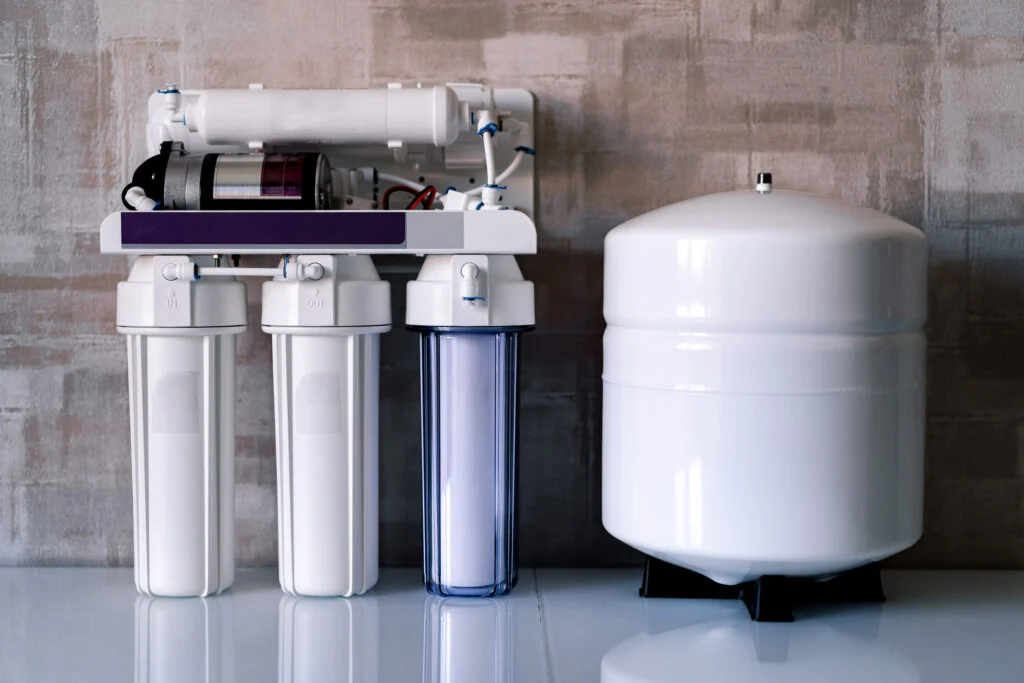
There’s something oddly comforting about turning on the kitchen tap and trusting the water that comes out. We rarely think twice about it. But when water has a noticeable smell, strange aftertaste, or faint chemical flavor, that simple routine suddenly feels less reassuring. Even water that meets basic safety standards can have qualities that make people reach for bottled water instead.
The good news is that improving the taste and overall experience of tap water doesn’t always require a complicated setup. The right filtration method can make a surprisingly noticeable difference. For many households, better-tasting water is less about changing where the water comes from and more about understanding what’s already in it.
Finding the Right Water Solution for a Cleaner, More Comfortable Home · A Practical Guide to Understanding Hard Water in Your Home · Understanding Common Well Water Problems: Iron, Sulfur, and Sediment
Why Tap Water Can Taste Different
Water doesn’t have a universal taste. Its flavor can change depending on its source, treatment process, plumbing, storage conditions, and even the pipes it travels through before reaching your glass.
Municipal water, for example, is commonly disinfected before it enters the distribution system. That treatment is important, but some people can detect a distinct taste or odor afterward. Older plumbing can introduce another layer of unwanted flavors, while naturally occurring minerals may give water a metallic, earthy, or slightly bitter character.
Well water has its own set of challenges. Depending on the location, it may contain sediment, sulfur compounds, iron, manganese, or other dissolved substances. None of this means the water is automatically unsafe. It simply means that water quality is more complicated than whether it looks clear in a glass.
Cleaner Water Starts With Understanding Your Home’s Water · The Renovation Budget Line I Almost Cut, and Regret Not Prioritizing Sooner
And that’s an important distinction. Clear water isn’t necessarily great-tasting water.
What Activated Carbon Actually Does
One of the most widely used approaches for improving household water taste is activated carbon filtration. It works through adsorption, a process in which certain compounds stick to the surface of the carbon rather than simply passing through it.
Activated carbon is particularly useful for reducing substances associated with unpleasant taste and odor. Depending on the filter design and certification, carbon filtration can help reduce chlorine, certain organic compounds, and other contaminants that affect the way water smells or tastes.
It’s worth remembering that not every carbon filter performs the same job. Filter material, construction, contact time, capacity, and certification all matter. A small countertop cartridge and a professionally designed whole-home system shouldn’t be treated as identical simply because both contain carbon.
That’s where reading the specifications becomes useful. Instead of buying a filter because the packaging sounds impressive, look for clear information about what the system is designed to reduce.
The Role of Chlorine in Drinking Water
For people who notice an almost swimming-pool-like taste, chlorine is often part of the conversation.
Municipal water systems use disinfectants to control harmful microorganisms and help protect public health as water travels through distribution networks. That treatment serves an important purpose. Still, the same disinfectant that helps keep water microbiologically safe can be noticeable to some people when they drink it.
Carbon filtration can reduce chlorine and, as a result, may make water taste cleaner and more neutral. Many people notice the difference first in a glass of cold water, but it can also become apparent in coffee, tea, cooking, and even ice cubes.
There’s a funny little detail here: when water tastes better, people often drink more of it. That may sound obvious, but it can make a filtration upgrade feel less like another household expense and more like a practical improvement to an everyday habit.
Filtration Isn’t One-Size-Fits-All
A common mistake is assuming that one filter can solve every water problem. It usually can’t.
Different filtration technologies are designed for different concerns. Sediment filters can capture particles such as sand, dirt, and rust. Carbon filters are commonly used for taste, odor, and certain chemical contaminants. Reverse osmosis systems can reduce a broader range of dissolved substances, while water softeners are specifically designed to address hardness caused largely by calcium and magnesium.
The best solution depends on the water entering your home.
For that reason, testing your water before choosing a system can save both money and frustration. If you know what you’re dealing with, you can select technology based on an actual need rather than marketing promises.
Whole-Home or Drinking Water Filter?
Another decision is whether you need filtration at one tap or throughout the house.
A point-of-use system, such as a filter installed under the kitchen sink, focuses on drinking and cooking water. It can be a sensible choice when taste is the primary concern and the rest of the household water is satisfactory.
A whole-home system treats water as it enters the property, allowing filtered water to reach showers, bathroom faucets, laundry areas, and kitchen taps. This can be especially useful when the water has noticeable odor or quality issues throughout the house.
There isn’t necessarily a “better” option. It depends on the problem, your household size, your budget, and how much water you want treated.
Don’t Forget Filter Maintenance
Even a high-quality filtration system needs attention. Filters have a limited capacity, and once they become saturated, their performance can decline.
Replacing cartridges according to the manufacturer’s recommendations is one of the simplest ways to keep a filtration system working properly. Some systems include indicators or monitoring features, while others rely on a replacement schedule.
It’s also smart to pay attention to changes in water pressure, taste, or odor. If something suddenly seems different, don’t simply assume the filter needs replacing. A change could indicate another issue with the plumbing or incoming water supply.
Clean equipment matters, too. A filter that’s technically advanced but poorly maintained won’t deliver the results you expect.
Better Water Can Change Everyday Routines
The value of filtered water isn’t limited to drinking. Water quality can affect cooking, beverages, and household routines in subtle ways.
Coffee and tea are particularly revealing because their flavors depend heavily on water. If tap water has a strong mineral or disinfectant taste, it can compete with the flavor of the drink itself. Filtered water may allow the coffee or tea to taste more balanced.
Cooking can benefit too. Soups, rice, pasta, sauces, and even ice can take on the character of the water used to make them. You may not notice it immediately, but once you become accustomed to cleaner-tasting water, going back can be surprisingly obvious.
Making a Smart Filtration Choice
Before purchasing a water filtration system, start with the basics. Find out where your water comes from and, when appropriate, have it tested. Identify the specific taste, odor, or contaminant concern. Then compare filtration technologies based on what they are actually designed to do.
Look for credible performance information and appropriate certifications rather than relying solely on broad claims such as “purifies everything.” No single technology removes every possible contaminant, and good filtration is about matching the solution to the water.
It’s also worth considering installation and long-term maintenance costs. A cheaper system that requires frequent replacement may cost more over time than a slightly more expensive system with a longer-lasting filter.
A Simple Upgrade With Everyday Benefits
Water is one of those household essentials we tend to overlook until something seems wrong. Yet improving its taste and odor can make a real difference to daily life.
Whether you choose a simple under-sink filter or a more comprehensive whole-home approach, the goal should be straightforward: water that feels pleasant, reliable, and worth drinking straight from the tap.
After all, there’s something nice about filling a glass without hesitation. No plastic bottle, no lingering aftertaste, no second thought. Just clean, refreshing water waiting at the faucet — exactly as it should feel.
Related Resources
Finding the Right Water Solution for a Cleaner, More Comfortable Home
Water is one of those things we rarely think about when everything is working...
A Practical Guide to Understanding Hard Water in Your Home
Water usually doesn’t get much attention until it starts causing trouble. One day everything...

Understanding Common Well Water Problems: Iron, Sulfur, and Sediment
When Your Well Water Starts Showing Signs of Trouble Private well water can be...