
What a Strong Design Portfolio Really Says About You

There’s something quietly revealing about a designer’s body of work. Before you ever speak to them, before you hear about their training or credentials, you scroll. You look. You notice patterns. You sense their instincts.
A portfolio isn’t just a collection of pretty photos. It’s a narrative. It tells you how someone thinks, how they solve problems, how they respond to space and light and human behavior. And if it’s done well, it doesn’t scream for attention. It simply holds it.
Why the Little Details Matter More Than You Think When Choosing What Lasts · Living With Well Water: The Little Fixes That Make a Big Difference at Home · The Water You Use Every Day Might Be Telling You More Than You Think
In a world flooded with images, creating a meaningful portfolio requires more than uploading polished snapshots. It requires intention.
More Than Just Finished Rooms
A compelling project portfolio goes beyond before-and-after transformations. Of course, those are satisfying. We all love a dramatic shift — the dull room turned luminous, the awkward layout transformed into something seamless.
But the real depth lies in context.
When Your Tap Water Starts Telling a Story: Understanding What It’s Trying to Say · Why Clean, Reliable Water Is a Smart Investment for Any Growing Business
Why were certain choices made? What challenges shaped the outcome? How did the client live in that space before, and how do they live in it now?
When a designer includes that story — even briefly — the work becomes more than aesthetic. It becomes relatable. Human.
And honestly, that’s what people connect with. Not perfection, but process.
Show Variety Without Losing Identity
One common mistake in showcasing creative work is trying to demonstrate every possible style. Rustic farmhouse next to ultra-modern minimalism next to bold eclectic maximalism — it can feel disjointed.
Variety is good. It shows adaptability. But consistency of approach matters just as much.
Strong interior design projects often share a subtle thread, even when the styles differ. Maybe it’s a careful attention to natural light. Maybe it’s thoughtful spatial planning. Maybe it’s a knack for layering textures.
Clients don’t just hire a look. They hire a perspective.
When your work reflects a clear point of view, it builds trust.
Process Is Just as Important as the Result
People are curious about how ideas evolve. Including sketches, mood boards, or early concepts adds dimension to a portfolio.
You don’t need to reveal every detail. But showing how a room moved from concept to completion invites viewers into the creative journey.
This transparency also highlights problem-solving skills. Maybe a small apartment required clever storage solutions. Maybe a commercial space needed to balance brand identity with comfort.
Design is rarely straightforward. Sharing those complexities makes the work feel authentic.
Photography Matters — But So Does Honesty
High-quality photography elevates any portfolio. Lighting, angles, and composition shape how a room is perceived. It’s worth investing in professional images when possible.
At the same time, overly staged shots can sometimes feel distant. A perfectly fluffed pillow is nice. But a room that feels lived-in carries warmth.
Some designers include subtle lifestyle elements — a book on the table, a cup of coffee near a window — to suggest real use. It’s a gentle reminder that these spaces aren’t museum exhibits. They’re homes, offices, gathering places.
That balance between polish and authenticity makes a difference.
Organizing the Story
How you structure your portfolio influences how it’s experienced.
Instead of listing projects randomly, consider grouping them by type — residential, commercial, hospitality. Or perhaps by theme — modern renovations, heritage restorations, small-space transformations.
A thoughtful design showcase guides the viewer without overwhelming them. It’s curated, not crowded.
Less can often be more. Including only your strongest work creates impact. Ten memorable projects leave a stronger impression than thirty average ones.
Speak to the Client’s Needs
A portfolio shouldn’t only highlight what the designer loves. It should reflect how client goals were achieved.
Was the aim to create a calm retreat? A vibrant social hub? A functional workspace? Briefly explaining these objectives gives context to the visuals.
It also helps potential clients imagine their own spaces within that narrative. They begin to see possibilities.
That’s powerful.
Keep It Evolving
Design evolves. So should your portfolio.
As new projects emerge, revisit older ones. Do they still represent your current direction? If not, it might be time to refresh.
Trends shift. Skills grow. Your perspective deepens with experience. A portfolio should reflect who you are now — not who you were five years ago.
Regular updates signal growth and momentum.
Digital Presence Matters
In today’s landscape, most portfolios live online. A clean, intuitive website makes exploration easy. Clear navigation, fast loading times, and responsive design improve user experience.
Social media platforms can complement the main portfolio, offering behind-the-scenes glimpses and ongoing updates. But the core presentation should remain cohesive and professional.
Consistency across platforms reinforces credibility.
What People Remember
At the end of the day, people rarely remember every detail of a portfolio. They remember how it made them feel.
Did the spaces feel calm? Inspiring? Thoughtful? Inviting?
That emotional response often outweighs technical precision.
When a portfolio communicates not just skill, but sensitivity — to light, to space, to human needs — it resonates.
A Reflection of Perspective
A well-crafted portfolio isn’t about boasting. It’s about clarity.
It shows how you interpret space. How you respond to constraints. How you translate ideas into tangible environments.
Related Resources

Why the Little Details Matter More Than You Think When Choosing What Lasts
There’s a moment most of us have experienced—standing in front of a decision, trying...

Living With Well Water: The Little Fixes That Make a Big Difference at Home
There’s something grounding about having your own well. It feels independent, almost old-school in...
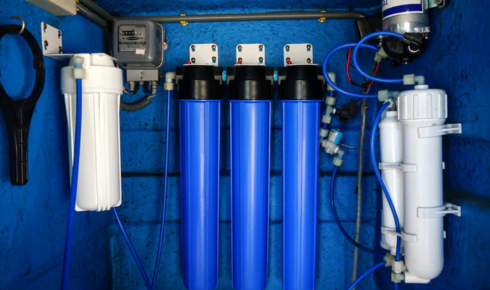
The Water You Use Every Day Might Be Telling You More Than You Think
It’s strange how something so essential can go completely unnoticed. Water flows through your...