
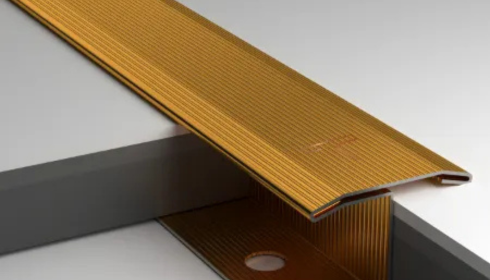
When it comes to the small details that elevate a space, few elements pack a punch like the finishing touches. In recent years, pvd patti and T profiles have emerged as sleek, modern components that not only serve a functional purpose but also bring in a premium aesthetic to interiors. Whether you’re designing a high-end home, renovating a commercial space, or simply trying to add character to minimalist decor, these two metal accessories offer a sophisticated and durable solution.
What is PVD Patti?
PVD (Physical Vapour Deposition) Patti is a thin metallic strip, often made of stainless steel, coated with a durable, decorative finish using the PVD technique. This coating process gives it incredible strength, resistance to corrosion, and a luxurious finish—available in shades like rose gold, bronze, black, and champagne.
Unlike traditional metal trims, T profile resists tarnishing and scratching, making it perfect for areas with frequent contact or movement. You’ll often find them bordering tile edges, highlighting feature walls, outlining wardrobes or mirrors, and even used as embedded accents in furniture or doors. Thanks to the PVD coating, they keep their shine and colour for years, needing minimal maintenance.
The Stylish Versatility of T Profiles
T profiles—named for their T-shaped cross-section—are primarily used to cover joints or gaps between surfaces. They’re commonly placed between tiles, wooden floors, glass panels, or even wall claddings. Their strength lies in both form and function. The horizontal bar of the T offers coverage while the vertical bar provides depth and stability.
Whether you’re separating tile zones in a large hall, connecting marble slabs in bathrooms, or giving your cabinet doors a seamless finish, T profile strips blend in beautifully. They’re available in aluminium, brass, stainless steel, and can be finished with matte, glossy, brushed, or even coloured coatings.
Applications in Interior and Exterior Projects
Both PVD pattis and T profiles are essential in premium interior design. Architects and designers use them not only as edge protectors but as styling tools. In modern kitchens, you’ll often see them lining the edges of countertops. In living rooms, they outline wall panels or act as dividers between materials like wood and stone.
Some advanced applications include:
- Ceiling design: Thin golden PVD lines across gypsum or POP ceilings for a luxe look.
- Wardrobe trims: Accentuating wardrobe doors with horizontal or vertical lines.
- Wall panel separation: Creating boundaries between MDF or fluted panels using T profiles.
- Floor transitions: Seamless joining of two different flooring materials.
Because of their resistance to moisture, corrosion, and daily wear, they are also increasingly being used in commercial interiors—such as hotel lobbies, retail stores, and corporate office spaces.
Why They’re Gaining Popularity
Minimalism with a touch of glam has become the design mantra for modern interiors. PVD pattis and T profiles serve this trend perfectly. Their linear form complements clean aesthetics, while their reflective or brushed finishes add a subtle touch of opulence.
Homeowners and designers love these components for several reasons:
- Durability: They last longer without fading or chipping.
- Design freedom: Available in multiple sizes, thicknesses, colours, and finishes.
- Low maintenance: A simple wipe-down keeps them looking new.
- Sleekness: They add modernity without being too loud or over-the-top.
Final Thoughts
Whether you’re after a polished modern look or something subtly elegant, incorporating PVD pattis and T profiles into your design toolkit can make a dramatic difference. Their mix of utility, longevity, and visual appeal makes them a no-brainer for both new builds and renovations.