
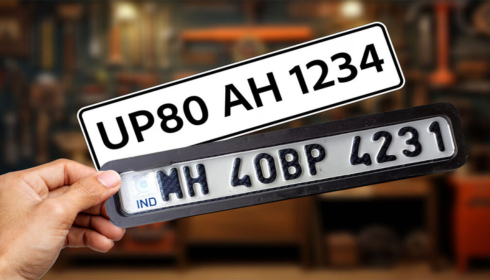
In recent years, vehicle compliance rules in India have become stricter, and one important requirement every vehicle owner must follow is installing a High Security Registration Plate (HSRP). Whether you own a new car or an old two-wheeler, having an HSRP is now mandatory across most states. If you’re still confused about the process, this guide will help you understand everything about book hsrp number plate and how hsrp number plate booking works in a simple, step-by-step way.
What Is an HSRP Number Plate?
An HSRP, or High Security Registration Plate, is a tamper-proof aluminum number plate issued by government-authorized vendors. It comes with a unique laser-etched code, a chromium-based hologram, and a non-removable snap lock. These features help prevent vehicle theft, cloning, and misuse, making it easier for authorities to track vehicles.
The government introduced HSRP to improve road safety and bring uniformity to vehicle registration plates across India. Today, driving without an HSRP can result in fines and penalties during traffic checks.
Why Is HSRP Mandatory?
HSRP is compulsory for both old and new vehicles, including cars, bikes, and commercial vehicles. One major reason behind this rule is to reduce crimes related to stolen vehicles. Since HSRP plates are difficult to duplicate or tamper with, they make illegal activities much harder.
Another reason is better enforcement of traffic laws. With standardized plates, ANPR (Automatic Number Plate Recognition) cameras can easily read vehicle numbers, helping in smoother challan generation and traffic monitoring.
How to Book HSRP Number Plate Online
The online process to book an HSRP number plate is simple and convenient. Vehicle owners can complete the entire booking from home without visiting the RTO multiple times. Here’s how it usually works:
First, visit the official HSRP booking website approved for your state. These portals are authorized by transport departments and are safe to use.
Next, enter your vehicle details such as registration number, chassis number (last few digits), and engine number. You will also need to select your vehicle type—private, commercial, two-wheeler, or four-wheeler.
After entering the details, choose a nearby fitment center and select an available date and time slot for installation. This helps avoid long waiting times.
Once the slot is selected, make the online payment using UPI, debit card, credit card, or net banking. After successful payment, you’ll receive a confirmation receipt or SMS with booking details.
What Happens at the Fitment Center?
On the selected date, visit the chosen fitment center with your vehicle. Carry the booking receipt and your vehicle registration certificate (RC). The staff will verify the details and install the HSRP plates using snap locks. The entire process usually takes 10–20 minutes.
After installation, your vehicle details are updated in the system, confirming compliance with HSRP rules.
Cost of HSRP Number Plate
The cost of HSRP varies slightly depending on vehicle type and state. Generally, two-wheelers cost less than four-wheelers. The price includes the plate, snap locks, and installation charges. Always book through official portals to avoid overcharging or fake plates.
Common Mistakes to Avoid
Many vehicle owners delay booking HSRP, assuming enforcement is lenient. However, traffic checks have become stricter, and fines can be issued on the spot. Avoid booking through unauthorized agents or roadside vendors, as fake plates can lead to legal trouble.
Also, double-check your vehicle details while booking. Incorrect information can cause delays or rejection at the fitment center.
Final Thoughts
Getting an HSRP is no longer optional—it’s a legal requirement that ensures your vehicle stays compliant and secure. The online booking system has made the process faster and hassle-free for everyone. If you haven’t installed one yet, it’s best to complete your HSRP booking as soon as possible and avoid unnecessary fines or issues later on.