
Dog Training Guide Mastering Your Dog’s Behavior
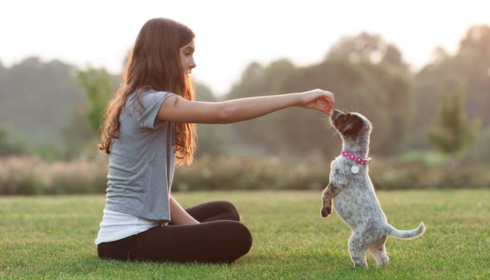
Bringing a dog into your home is exciting but it also comes with challenges. From chewing on furniture to pulling on the leash, understanding your dog’s behavior is key to building a strong lasting bond. This dog training guide is designed to give you practical actionable strategies that work for dogs of all ages and breeds. Whether you are a first-time owner or an experienced handler, these expert tips will help you guide your furry friend toward obedience, confidence and happiness. Training is not just about control it is about communication, consistency and trust.
Why Every Dog Owner Needs a Training Guide
Many dog owners underestimate the importance of structured training. A well-trained dog is not only happier but safer and easier to manage. Here is why a comprehensive dog training guide matters
- Reduces Behavioral Issues Proper training addresses barking biting and aggression early
- Enhances Safety A recall-trained dog can be trusted off-leash in safe environments
- Strengthens Bond Training builds communication connection and mutual respect
- Saves Money Avoiding destructive behavior reduces the need for repairs and replacements
Consistent positive reinforcement techniques create lasting results and a happier home for both you and your dog.
Key Principles of Effective Dog Training
Understanding your dog’s psychology is the foundation of successful training. Here are the core principles every owner should follow
- Consistency is Key Dogs thrive on routine and predictability. Use the same commands and rules every day
- Positive Reinforcement Reward desired behavior with treats praise or playtime to encourage repetition
- Patience and Timing Immediate feedback is critical. Rewards or corrections should happen within seconds of the behavior
- Clear Communication Dogs respond to tone body language and signals. Keep cues consistent and concise
- Gradual Progression Start with basic commands then introduce more complex tasks at a pace your dog can handle
Training with these principles ensures effectiveness enjoyment and strengthens the human-dog bond.
Step-by-Step Dog Training Guide for Beginners
Here is a practical approach to applying these principles in everyday life
Step 1 Establish a Routine
Dogs feel secure with structure. Feed walk and train your dog at consistent times daily. A routine reduces anxiety and unwanted behaviors and helps dogs learn faster.
Step 2 Start with Basic Commands
Focus on essentials
- Sit Helps with impulse control
- Stay Builds patience and focus
- Come Ensures safety and reliability
- Down Encourages calm behavior
- Leave it Prevents dangerous or destructive actions
Short frequent sessions work better than long exhausting training periods. Repetition helps dogs remember and obey reliably.
Step 3 Socialization and Exposure
A dog’s ability to adapt to new environments and people is crucial. Expose your dog to
- Different sounds such as traffic vacuum or doorbells
- Various people and dogs
- Different environments such as parks streets or pet stores
Positive exposure reduces fear aggression and anxiety. Socialized dogs are happier confident and easier to manage in daily life.
Step 4 Crate Training and Housebreaking
Crate training provides dogs with a safe space while teaching bladder control
- Make the crate inviting with toys and bedding
- Never use the crate as punishment
- Gradually extend crate time as your dog adapts
Housebreaking requires patience consistency and regular bathroom breaks. Praise and rewards reinforce good habits quickly.
Step 5 Address Behavioral Challenges
Common issues include
- Excessive Barking Identify triggers and redirect attention with commands
- Chewing Provide durable toys and remove tempting household items
- Pulling on Leash Train with stop-and-go techniques or use a no-pull harness
Tracking progress and adjusting strategies ensures long-term success and a balanced happy dog.
Advanced Training Techniques for Experienced Owners
Once basic commands are mastered consider these advanced methods
- Clicker Training Uses a distinct sound to mark correct behavior and speed learning
- Target Training Guides dogs to touch objects or positions with precision
- Trick Training Builds mental stimulation and strengthens your bond
- Scent and Nose Work Engages natural instincts and provides enrichment
Advanced training improves mental agility physical coordination and creates a dog that is confident and responsive in many situations.
Choosing the Right Training Tools
Having the right tools can make a difference
- Leashes and Harnesses Opt for comfortable durable options
- Treats Use small high-value rewards for effective reinforcement
- Clickers Ideal for marking precise behavior
- Interactive Toys Encourage mental stimulation during downtime
Avoid over-reliance on punishment-based devices which can lead to fear or confusion. Tools are only effective when paired with consistent training techniques.
Common Mistakes to Avoid in Dog Training
Even experienced dog owners make mistakes. Avoid these pitfalls
- Inconsistency Changing commands or rules confuses your dog
- Overtraining Long sessions can cause frustration and burnout
- Punishment-Based Techniques Can damage trust and create fear
- Ignoring Socialization Skipping exposure to new environments may lead to behavioral issues
Awareness of these mistakes ensures a smoother more effective training process.
Measuring Training Success
Success in dog training is measured by a confident happy dog as well as obedience. Key indicators include
- Responds reliably to commands in different environments
- Shows reduced stress anxiety and aggression
- Demonstrates focus and attentiveness during sessions
- Exhibits improved social behavior around people and other dogs
Regular tracking with logs or apps ensures consistency and helps reinforce progress over time.
Why Professional Guidance Can Help
DIY training is effective for many dogs but professional guidance accelerates results and prevents common mistakes. Experts can
- Customize training plans for specific breeds and temperaments
- Address stubborn or severe behavioral issues
- Provide hands-on demonstration of advanced techniques
Rob’s Dog Training combines years of experience with proven positive reinforcement methods to help you and your dog succeed and thrive.
Building a Lifelong Bond
Training is more than commands it is a lifelong journey of communication trust and love. Following this dog training guide will help you cultivate a well-behaved confident happy dog while strengthening the bond you share
Celebrate small victories remain consistent and keep training fun. With patience dedication and the right strategies your dog will not only obey commands but thrive in every aspect of life. For more tips resources and personalized guidance visit Rob’s Dog Training at robsdogs your trusted partner in every step of your dog’s journey.