
When Your Home Starts Listening: How Smart Water Monitoring Is Changing Everyday Peace of Mind
There’s something quietly unsettling about water damage. It rarely arrives with drama. No loud crash, no flashing warning lights — just a slow, invisible spread that can quietly eat away at floors, walls, and foundations while life continues normally above it.
Most homeowners only realize there’s a problem when the signs become obvious: a warped floorboard, a patch of peeling paint, or that stubborn musty smell that won’t go away. By then, the damage has often been developing for weeks.
Why the Little Details Matter More Than You Think When Choosing What Lasts · Living With Well Water: The Little Fixes That Make a Big Difference at Home · The Water You Use Every Day Might Be Telling You More Than You Think
But things are changing. Today, homes are becoming more aware — almost as if they’re learning to listen. And that shift is largely thanks to the growing role of smart water monitoring technology.
Why Water Damage Is So Hard to Detect Early
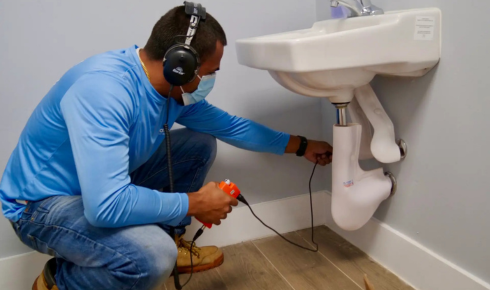
Unlike other home issues, water problems tend to stay hidden. Pipes run inside walls, under concrete slabs, and behind appliances. Leaks don’t always drip into visible areas; they can seep quietly into insulation or structural materials.
This makes early detection difficult without specialized tools. Traditional inspections often rely on visual clues, which appear only after significant damage has occurred.
When Your Tap Water Starts Telling a Story: Understanding What It’s Trying to Say · Why Clean, Reliable Water Is a Smart Investment for Any Growing Business
That’s why preventative technology has become such a valuable addition to modern homes. Instead of waiting for visible signs, homeowners can now monitor conditions continuously and receive early warnings.
The Rise of Intelligent Leak Detection Devices
One of the most impactful innovations in home protection is the introduction of smart leak detectors. These compact devices are designed to sense water presence in areas where leaks are most likely to occur — beneath sinks, near appliances, or close to water heaters.
When moisture is detected, these sensors immediately notify homeowners, often through smartphone apps. Some systems even integrate with automatic shutoff valves, stopping water flow before significant damage occurs.
This proactive approach transforms leak detection from a reactive process into a preventative one.
Understanding the Role of Moisture Awareness
Water damage doesn’t always involve visible puddles. Sometimes, the real danger lies in prolonged dampness that slowly weakens building materials.
This is where moisture monitoring becomes especially important. Advanced sensors can track humidity levels and detect abnormal moisture accumulation inside walls, ceilings, or crawl spaces.
By identifying these subtle changes early, homeowners can address potential problems before they develop into major structural issues.
Consistent monitoring helps maintain a healthier indoor environment and prevents mold growth.
The Power of Instant Notifications
One of the biggest advantages of modern leak detection technology is its ability to provide real-time alerts. Instead of discovering damage hours or days later, homeowners can receive immediate notifications when unusual water activity occurs.
This rapid response capability allows for quick action — shutting off water supplies, contacting professionals, or addressing minor leaks before they escalate.
In many cases, these instant alerts can mean the difference between a simple repair and extensive restoration work.
How Smart Technology Reduces Financial Risks
Water damage is among the most costly home repair issues. Restoration expenses often include flooring replacement, drywall repairs, mold remediation, and structural reinforcement.
By detecting leaks early, smart monitoring systems significantly reduce these risks. Preventing just one major water incident can often offset the cost of installing detection technology.
Insurance providers increasingly recognize this benefit, with some offering reduced premiums for homes equipped with advanced leak detection systems.
Proactive protection translates into long-term financial savings.
The Emotional Value of Peace of Mind
Beyond financial benefits, smart leak detection provides something less tangible but equally important — peace of mind.
Imagine traveling for work or vacation without worrying about potential plumbing failures back home. Real-time monitoring allows homeowners to check system status remotely and receive immediate alerts if anything changes.
This sense of security helps reduce anxiety and allows people to focus on daily life without constant concern about hidden risks.
Home comfort isn’t just physical — it’s emotional.
Integrating Smart Monitoring Into Modern Homes
Today’s leak detection systems often integrate seamlessly with broader smart home networks. They can connect with water heaters, plumbing fixtures, and environmental sensors to provide comprehensive monitoring.
Some systems also track water usage patterns, helping homeowners identify inefficiencies or unusual consumption spikes.
This integration creates a holistic approach to water management, combining prevention, efficiency, and convenience.
Technology continues to transform how homes protect themselves.
Preventive Steps That Complement Smart Monitoring
While smart detection devices offer powerful protection, they work best alongside regular maintenance practices.
Homeowners can further reduce risks by:
- Inspecting visible plumbing connections periodically
- Maintaining consistent water pressure levels
- Servicing water heaters regularly
- Cleaning drainage systems to prevent backups
- Scheduling professional plumbing inspections
Combining technology with proactive care provides the strongest defense against water damage.
A Final Thought: Homes That Protect Themselves
Water has always been essential to daily life, but its potential for damage has long made it a hidden risk within homes.
Smart monitoring technology is changing that reality. By detecting leaks early, tracking moisture levels, and providing instant alerts, modern systems allow homeowners to respond quickly and confidently.
This shift represents more than convenience — it reflects a new level of awareness in how homes operate and protect themselves.
Related Resources

Why the Little Details Matter More Than You Think When Choosing What Lasts
There’s a moment most of us have experienced—standing in front of a decision, trying...
Living With Well Water: The Little Fixes That Make a Big Difference at Home
There’s something grounding about having your own well. It feels independent, almost old-school in...
The Water You Use Every Day Might Be Telling You More Than You Think
It’s strange how something so essential can go completely unnoticed. Water flows through your...