There’s something quietly comforting about turning on the tap and knowing exactly what’s in your water—or, more importantly, what’s not. No second-guessing if it smells a bit off, if it tastes faintly metallic, or whether that faint chlorine scent is “normal.” In a world where we scrutinize labels on food, download fitness trackers, and obsess over air purifiers, isn’t it time we paid attention to something even more fundamental—our water?
Let’s face it, water is the lifeblood of our homes. We cook with it, clean with it, bathe in it, and most critically—drink it. And yet, despite how much we rely on it, most people still don’t give much thought to what’s coming out of their faucets. Spoiler alert: a lot of it isn’t as pure as you might think.
The Unseen Problem with Tap Water
Municipal water treatment does a decent job filtering out dangerous pathogens, but by the time that water travels through miles of old pipes and into your house, it can pick up all kinds of unwanted hitchhikers—sediment, heavy metals, chlorine, and more.
Sure, your city might meet “safe” standards. But “safe” isn’t the same as clean, and it definitely isn’t the same as ideal. Have you ever noticed white build-up around faucets? That’s mineral residue. Got itchy skin after a shower? Could be the chlorine. Cloudy water? Might be sediment.
And bottled water? Expensive, wasteful, and not as tightly regulated as you’d hope. Not a great long-term solution either.
So, What’s the Fix?
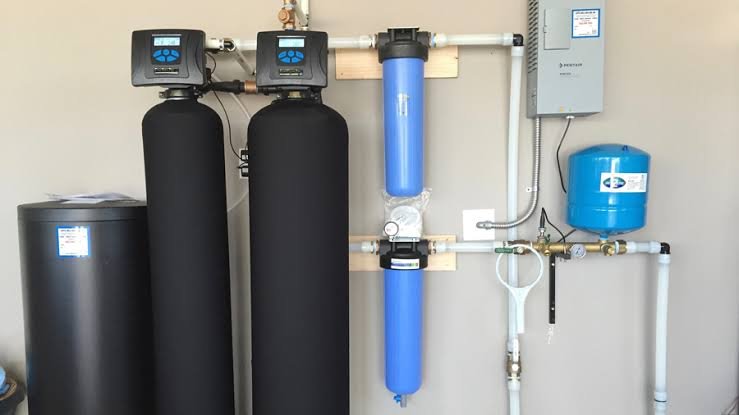
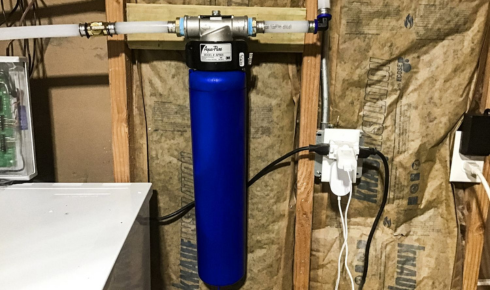
This is where whole home water filtration systems come into play. Think of them as your home’s personal water bodyguard—filtering every single drop of water that enters your home before it ever hits a faucet, showerhead, or appliance.
Unlike single-point filters you attach to your sink or stash in the fridge, a whole-home system doesn’t just treat your drinking water—it handles all the water. So yes, your showers, laundry, dishwashing, and even toilet water gets filtered.
It’s a little luxury that pays off big time.
More Than Just Clean Drinking Water
The benefits extend far beyond what ends up in your glass. Ever noticed your clothes fading faster than they should? Hard water and chlorine can degrade fabrics. Appliances like water heaters and washing machines also take a beating over time, thanks to sediment and mineral build-up.
Filtered water is softer, kinder to skin, and helps your appliances live longer. And if anyone in your household struggles with dry skin or sensitive respiratory issues, this switch can actually make a noticeable difference.
Imagine stepping into a shower that feels more like a spa than a chemical splash zone. That’s the kind of everyday luxury we’re talking about.
Not All Systems Are Created Equal
There’s a jungle of options out there—from carbon filters and reverse osmosis setups to UV disinfection and water softeners. That’s why it’s important to start with a water test. You want to know exactly what you’re dealing with before you decide how to treat it.
Once you’ve pinpointed the problem, choosing the right system becomes a lot easier. The best filtration systems are tailored to your water’s unique profile and your household’s specific needs.
Carbon filters, for example, are great for taste and odor—especially for chlorine. Sediment filters capture sand, silt, and rust particles. Reverse osmosis is next-level stuff, stripping out contaminants like lead, arsenic, nitrates, and more.
The right combo system can work magic—but you need to know what you’re up against.
What About Maintenance?
Here’s the honest truth: yes, there’s some upkeep. Filters need to be changed periodically, and a good system should have easy-to-replace cartridges. But compared to the headache of dealing with appliance breakdowns, scaling, or health concerns, it’s a small price to pay.
Plus, modern systems are becoming smarter—some even come with app connectivity, filter change reminders, and real-time performance tracking.
It’s 2026. Your water system can (and probably should) be smarter than your toaster.
Can It Really Remove Chlorine and Sediment?
Yes—absolutely. In fact, that’s one of the top reasons homeowners take the plunge. A properly configured system can remove chlorine and sediment at the point where water enters your home, meaning you’re no longer showering in a chemical cloud or rinsing vegetables with mystery particles.
And the difference is noticeable. Dishes come out cleaner, soap lathers better, and your hair? It might finally stop feeling like straw.
Is It Worth the Investment?
Let’s talk numbers. Installing a whole home system can range anywhere from a few hundred to a few thousand dollars depending on complexity. But stack that against long-term savings: fewer appliance repairs, less bottled water, fewer skin or hair treatments, and potential improvements in your family’s health.
And if you’re ever planning to sell your home? A good water filtration setup is a great selling point—buyers love modern, health-conscious upgrades.
In short: it’s not just an expense. It’s an upgrade to your lifestyle.
Final Thoughts: Water You Waiting For?
Okay, puns aside—this isn’t about luxury for luxury’s sake. It’s about control. It’s about taking back the narrative of what flows through your home and into your body.
We filter our photos. We filter our coffee. Why not our water?
Clean water isn’t a bonus. It’s the foundation of wellness. And a whole home water filtration system ensures that foundation is as solid as it gets.
So the next time you fill a pot to boil pasta, hop into the shower, or gulp down a glass after a workout, imagine doing it without questioning what’s in your water.
That kind of peace of mind? Worth every drop.